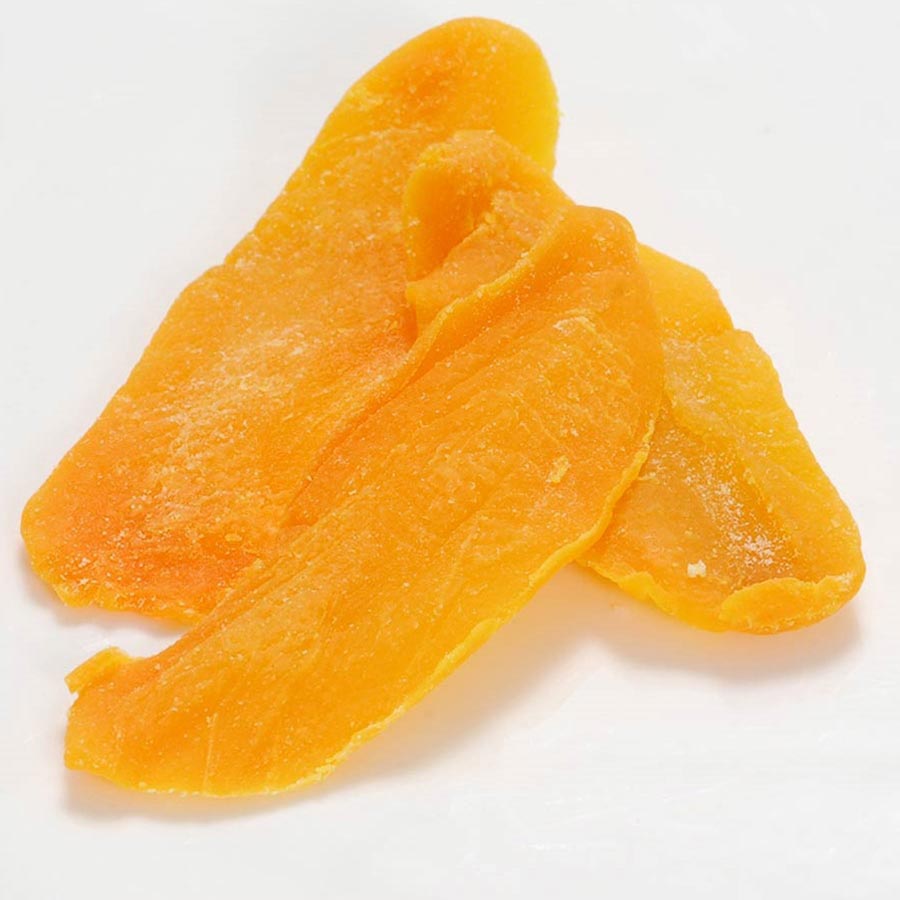
Mangos are often lauded for their sweet flavorfulness and bright flavor, but have you ever thought about the benefits of enjoying them in their dehydrated form? Dried mango has seen popularity not only for its convenience but also for its multitude of health advantages. As we delve into the world of dried mango, we will uncover why this tasty snack should be a staple in your diet and how it measures up to its fresh version.
Processed at specialized dried mango factories, this delicious treat retains many of the essential nutrients found in fresh mangoes while providing a longer shelf life and a concentrated burst of flavor. From aiding digestion to offering a quick energy boost, dried mango packs a powerful punch in a compact package. Join us as we delve into the health advantages of selecting dried mango and discover why this tasty snack deserves a spot in your pantry.
Grasping Dehydrated Mango Production
The production of desiccated mangifera begins with the thorough choosing of ripe premium fruits. Farmers usually choose types known for their taste, flavor, and consistency. Once collected, these mangoes go through a detailed cleaning procedure to get rid of any contaminants or residues. This process is vital as it confirms that only the highest quality fruits are chosen for the dehydrating process, finally adding to the quality and nutritional profile of the end product.
Once cleaned, the mangoes are cored and sliced into consistent slices to ensure consistent drying. This is generally done in a specialized plant, often called a desiccated mango operation. In these factories, the sliced fruits are set in drying machines or containers under controlled temperatures. The aim is to remove water while keeping the original sugars and nutritional value, resulting in a chewy and flavorful treat that retains much of the essence of ripe mango.
To improve shelf life and improve flavor, some growers may use a thin coating of syrup or citric acid before processing. This not only helps to maintain the color and flavor but also includes a note of sweetness that enhances the mango's essential taste. After dehydrating, the fruit segments are wrapped meticulously to preserve freshness and are then sent to stores, turning them a practical and healthy selection for buyers looking for a wholesome option.
Nutritional Benefits of Dehydrated Mango
Dried mango is packed with crucial nutrients that can enhance your overall health. In contrast to many raw fruits, the drying process intensifies the flavor and levels of vitamins and minerals. Dehydrated mango is especially high in vitamins A and C, which support immune function, eye health, and skin vitality. This rich source of nutrients makes it a great option for those looking to boost their vitamin intake on the go.
In furthermore to vitamins, dried mango offers a substantial amount of dietary fiber. This fiber is crucial for digestive health, helping to control bowel movements and foster a feeling of fullness. Incorporating dried mango in your diet can contribute to improved digestion and may assist in weight management by reducing cravings and enhancing satiety. This makes it a clever snack choice for both health-conscious individuals and those looking to maintain a balanced diet.
Furthermore, dried mango is a source of antioxidants, which play a key role in protecting your body from oxidative stress and inflammation. The presence of these antioxidants can help reduce the risk of chronic diseases, including heart disease and certain types of cancer. By choosing dehydrated mango, especially from a reliable dried mango factory , you can enjoy a delicious treat that not only fulfills your sweet tooth but also supports your long-term health.
Environmental Impact of Dehydrated Mango Manufacturing
The production process of dehydrated mango can have both positive and negative effects on the environment. On one hand, dried mango products can reduce food waste by preserving fruit that might otherwise go bad. By converting fresh mangoes into dried snacks, manufacturers can prolong shelf life of this healthy fruit, making it available for consumers for longer periods. This preservation also allows for more efficient use of crops, helping to reduce the loss of agricultural produce.
On the other hand, the dehydrated mango factory process requires careful consideration of energy usage and resource use. The dehydration process typically involves significant energy input, primarily for the equipment used in drying. However, eco-friendly practices such as using solar drying methods can mitigate some of these issues related to energy, promoting a more sustainable approach to dehydrated mango production. It is essential for manufacturers to concentrate on energy efficiency and explore renewable energy sources to minimize their carbon footprint.
Additionally, sustainable sourcing of mangoes is crucial in reducing the ecological impact of dried mango manufacturing. Supporting local farmers and promoting responsible agricultural practices can help protect biodiversity and protect ecosystems. By emphasizing sustainable sourcing and green production methods, the dried mango industry can contribute to both the health of consumers and environmental sustainability.